
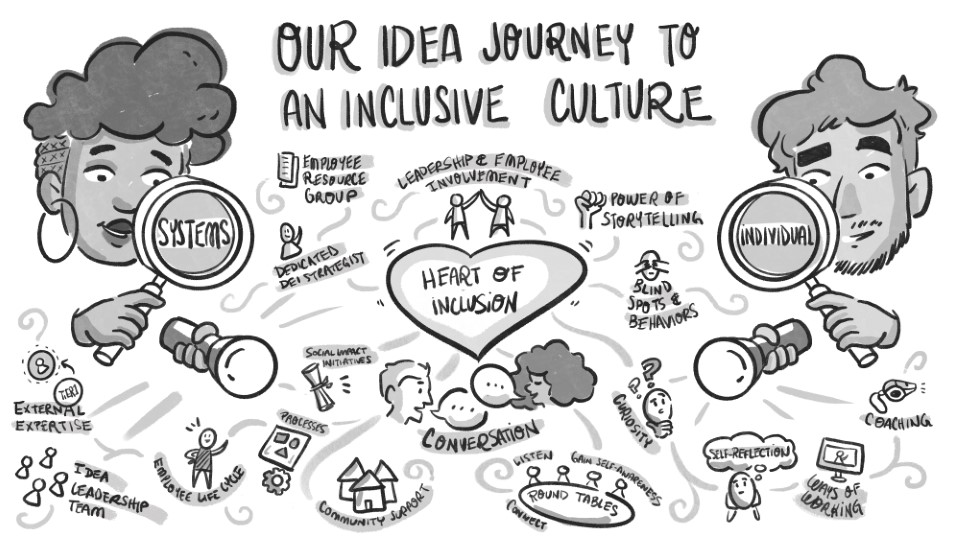
At TiER1, our IDEA Journey of inclusion, diversity, equity, and accessibility includes the recognition of history and gaining lived experiences to learn more. Without an appreciation of our shared history, we lack context to unpack and progress together. As Juneteenth approaches, I hope this article inspires you to join the celebration and find activities to attend or explore in your local city.
Why do we celebrate Juneteenth?
Juneteenth (AKA Freedom Day) is to celebrate the history one of the most important days in our history: when enslaved people within the confederacy learned that slavery was abolished and they were free.
We honor Juneteenth through celebratory festivals, arts, music, and food and other cultural traditions with friends and family and it’s OPEN to EVERYONE. If ever a great time to gain a lived experience, Juneteenth is an opportunity to immerse yourself in Black history, resilience, and celebration.
During the COVID-19 pandemic, I supported a friend to get Juneteenth Day recognized as a holiday by their CEO, so that ALL employees could observe and engage in a day of learning, community engagement and exploration on their own. It’s officially a holiday for them now, which is amazing, and eventually can become a standard to help all employees approach the day with an intention, which is impactful! As of the time of writing this, Juneteenth is recognized as a federal holiday in the United States.
If you’re ready to show up, listen, be part of the Juneteenth celebration in your community, AND take that knowledge forward in your personal DE&I journey, here are some recommendations and suggestions to consider.
1. Take personal time to (un)learn and (re)engage.
Every year I take off Juneteenth to celebrate AND engage the local community through:
- Attending Black art & music festivities.
- Volunteering with local organizations focused on the development and support of Black and brown communities: men’s shelters, youth programs, etc.
- Learning through museums and virtual museum tours (for example, the Museum of African American History and Culture’s Talking About Race).
- Supporting local Black-owned stores and online communities—including black farmers (see your local farmers markets), hair and body care, bookstores, clothing, tools, restaurants, household goods, and so much more.
- Watching documentaries (such as 13th), reading books (such as The Vanishing Half), or listening to podcasts (such as 1619).
- Listening to jazz, music from the Renaissance, and media from other times of change and revolution.
- Journaling my own experiences and how I do (or don’t yet) contribute to the attitudes and beliefs I want to see in the world.
2. Bring the conversation to family and friends.
Now that you have taken the time to listen, (un)learn, and (re)engage, I encourage you to share your thoughts with family members in a way that you might not have thought you could have before.
Some ways to start the conversation with your children include:
- Read together The Bell Rang (warning – you may need tissues).
- Check out Coming Together from the Sesame Workshop, which includes a segment from Sesame Street, “Explaining Race,” that you can watch together.
- Review the Center for Racial Justice’s resources for talking about race, racism, and racialized violence with kids.
Some ways to start the conversation with family and friends include:
- Host a letter-writing campaign to contact local politicians and council members. (Don’t know where to start? Learn about your city’s budgeting process for police and social services.)
- Join a book club with your friends or start your own. (Don’t have time to read a book? Share a video with friends, such as this one on “white fatigue”, and discuss your ideas about the video.)
- Ask about their volunteer or donation efforts to support local groups that protect civil liberties, and share what you’re doing.
3. Show up for your community.
If you join a celebration, you may be exposed to…
- Joy, love, laughter, creativity, and deep learning of something new.
- A new piece of artwork, artifact, book, food, clothing, music, etc., from local Black and African vendors.
- BIPOC-owned businesses and allies—you may find a new organization to get involved with via commerce, volunteer, or other support.
- An area of the city you haven’t spent much time in, as celebrations often are hosted within major metro areas where Black communities are most present.
Even if you can’t get out to join a local celebration, there are plenty of ways to learn and celebrate virtually. I recommend the amazing docuseries on Netflix, High on the Hog: How African American Cuisine Transformed America. I will not disclose too much aside from grab your families and some good food, because you are in for one of the most unique history, food, wine and celebratory lessons of all time. It’s not Juneteenth specific but it is high on the radar when it comes to history lessons dating back to African roots, rituals, food, and ancestral connections which we ALL partake in today.
Virtual exhibits and museum tours to explore:
- Archives of African American Music and Culture
- The Museum of African American Art
- Atlanta History Center
Hopefully this article has provided you with insights on how to take the recognition of Juneteenth beyond a one-day celebration of performative action and connected you to ways you can engage in conscious efforts to learn from the celebration while continuing on your journey to understanding racial and ethnic diversity to be more inclusive.
At TiER1, we are on an organizational journey to better center inclusion, diversity, equity, and accessibility in our values and company culture—we call it the IDEA journey. To realize our fullest potential, we believe it’s important that we play a part in dismantling systemic racism and creating equitable workforces. We also believe that dialogue is important, so we welcome you to connect with us in the form at the bottom of the page. To learn more about the IDEA journey and access resources for your organization’s journey, visit this page.