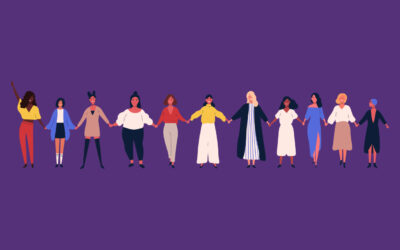
For years we have witnessed a focus on diversity and inclusion by our peers and community. As organizations progressed in their journeys, the evolution of their people strategy required additional letters to be added, such as the “E” for Equity or Equality (i.e. DEI), “J” Justice (i.e. JEDI), or “B” Belonging (i.e. DI&B). This recognizes that every organization’s journey is personal and driven by different internal and external forces.
As our Diversity and Inclusion Task Force explored the future of D&I at TiER1, we discovered definitions and applications that resonated with us; at the time, the terms equated to DEIA (Diversity, Equity, Inclusion, and Accessibility). In true TiER1 fashion, we shifted it into a catchy acronym of IDEA, which carried through to our Agile Team and ongoing work. Of course, we have our own ideas (pun intended) of how we lean into this work as conscious leaders focused on humanity while meeting ourselves where we are.
I came across this quote from the American Alliance of Museums and believe it applies to our future goals of this journey: “We believe that equity is our goal, inclusion is how we move toward that goal, and diversity describes the breadth of our experiences and perspectives.”
Why IDEA for TiER1?
Inclusivity is a mindset.
Inclusivity is the practice and policies in place which guide us to include an individual or people, with awareness of who may otherwise be excluded or marginalized. Someone with an inclusive mindset behaves in a way that embraces and welcomes the diversity of others, allowing people to bring their whole selves to work, which directly impacts performance.
- This requires an ongoing awareness of potential bias and blind spots (systemic and individually) and how to not exclude someone. However, this does NOT mean we expect anyone to sacrifice their personal beliefs.
- To be inclusive requires that we all choose growth everyday.
Diversity is a fact of personal identity.
Diversity is the ways in which we are all similar and different, including the core (visible) and invisible characteristics. When we embrace, recognize, and value diversity, we are also recognizing this at the individual level. There is no room here for discrimination.
- When we say diversity, this does not solely apply to core characteristics such as age, gender, race, etc. Instead, this includes all of our unique characteristics.
- Over the years we have focused on Strength Finders, Emotional Intelligence, DiSC, and other profiles as a way to understand each other better. These are a part of our personal diversity stories to help others understand how to engage with us.
- Without being intentional in how diversity is represented across our organization, we can lose out on being innovative.
Equity recognizes gaps and inequities to close.
We recognize that some individuals or groups are disadvantaged due to an unequal starting place, and therefore, are underrepresented or marginalized within a field, industry, workplace, or community. This requires us to examine systems both internally and externally to find ways to provide opportunities to reduce barriers to entry and provide support to help level the playing field. We are using business as a source for good.
- This is an ongoing journey for us as a company that requires being intentional and keeping the pulse on where inequities may exist so that we can support individuals who are marginalized to continue to develop and thrive.
- As we progress in this journey, we will measure areas where we have gaps to fill. It is OK to call out equity gaps in our field, population, and needs as we grow.
Accessibility is about access and support for all.
Everyone should have the ability to access environments, events, services, and experiences with or without disability. Therefore, we must focus on proactive design and care versus reactive fixes.
- By treating accessibility as an independent dimension, it allows us to drive actionable intention to how we acknowledge, create, support, and destigmatize disability.
- As experience designers and an organization passionate about mental health and neuroscience, we have a unique opportunity to explore how to accommodate people with a range of disabilities.
Through the IDEA Journey, we seek to deepen our knowledge, adjust our systems, and foster a sense of belonging for TiER1ers. As we continually evolve and learn, we are sharing our commitments and lessons learned along the journey as they progress. Interested in learning more? Join us on this exciting and ongoing journey.