
WORKFORCE MENTAL HEALTH:
HELP YOUR PEOPLE thrive
A safe and resilient workforce starts when we’re able to talk about what’s getting in the way of being our best selves. Are you ready to go on a journey to start the conversation about mental health and well-being at your organization? Click below to learn more about our nationally recognized Start the Conversation on Mental Health toolkit.
WHY talk ABOUT MENTAL HEALTH?
Six reasons we all need to care about mental health in the workplace:

Depression is the #1 health risk in the world.
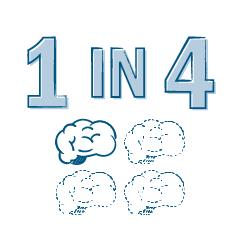
1 in 4 people will experience mental illness this year.

It takes 10 years on average to seek professional help.
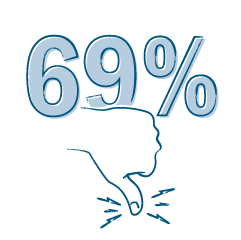
69% of employees would hide their mental health condition from coworkers.
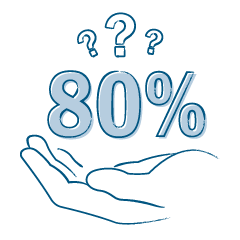
80% of employees won’t seek treatment because of fear and shame.

Individuals cite workplaces as a primary reason for high rates of anxiety and depression.
WHAT IS THE START THE CONVERSATION JOURNEY?
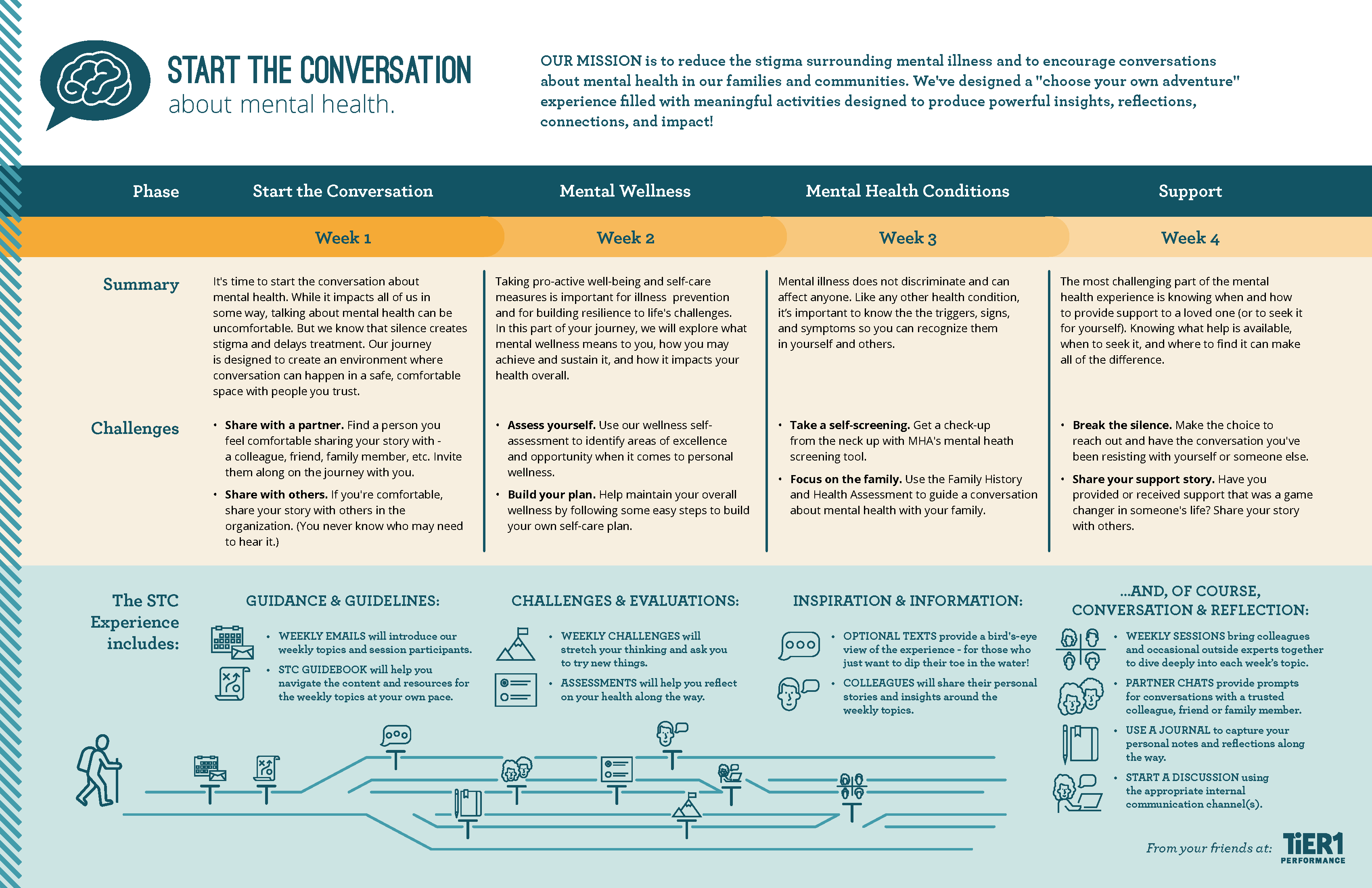
TiER1 has partnered with several local organizations to create and iterate on an organizational experience that’s designed to break the stigma around mental health through culture and support.
Here’s a summary of the experience:
Interested in going on the journey? Explore how this program could support your organization. The toolkit includes:
- Electronic Journey Guidebook to help your employees choose their own experience
- Weekly Email Templates to share the focus of the week and related optional activities
- Pre/Post Survey to include findings throughout the journey but also see the impact
- Optional Opt-in Text Campaign for those who want a daily nudge of engagement
- Weekly Session PowerPoints with Facilitator Notes to help you feel confident engaging your people each week
- Custom and curated tools and resources to help your people personalize the journey
- Optional consultation and implementation support to get you started on the right foot
PROGRAM impact
As a direct result of this program:
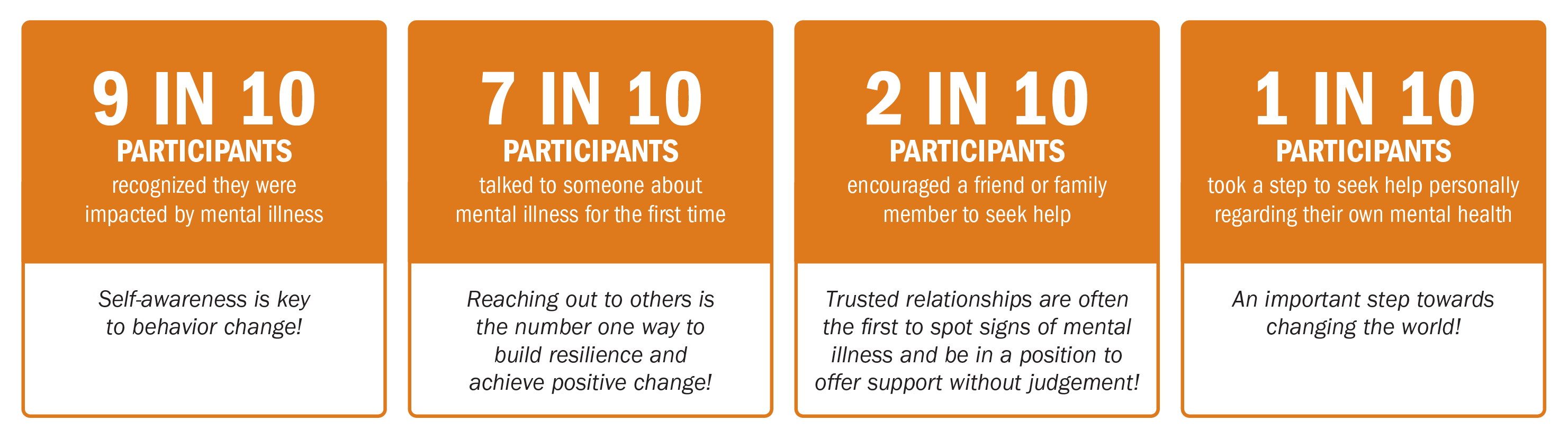

START THE CONVERSATION IN THE news
TiER1’s Start the Conversation program has been nationally recognized for its impact.
Start the Conversation is recognized by the CDC as a workplace mental health success story.
Start the Conversation is featured as a model case study by the American Psychiatric Association.
BUILDING A SAFE AND resilient CULTURE
At the core of improving your people’s mental health is your organization’s ability to create a place where people feel safe and challenged in equal measures. When your people feel psychologically safe and trusted, they bring their hardest challenges forward to be supported and addressed as a team. When your people feel seen and appreciated, they bring their ‘A-game’ every time…even when no one is looking.
If you’re ready to go on a journey to create a culture of safety and, ultimately, resilience, here are a few provocative statements with reflection questions to get you thinking. If you’re looking for a partner to evolve the way you work, TiER1 would love to go on this road-less-traveled with you.
Organizations exist to serve people, not the other way around.
- What we believe shapes our decisions and actions. Until senior leadership has this shared mindset, organizations will continue to make decisions at the expense of their people’s personal well-being. How would you rate your organization on serving all stakeholders, not just shareholders and customers?
- When it comes to improving productivity, does your organization focus on extracting value by ‘getting more work out of fewer people,’ or by co-creating value through empowerment and innovation?
Investing in trust will have lasting returns.
- Healthy organizations have high trust. Organizations low in trust have low safety and, as a result, high stress (and probably a lot of drama and lack accountability). Do your people trust each other? Do employees trust the organization has their best interests at heart? Does the organization trust their people to do good work?
- Trust doesn’t just happen, it takes intentional effort because it shows up in all aspects of an organization – how it’s structured, its processes, policies, and of course, its relationships. How can you foster more transparency? Are you assuming positive intent through conflict resolution? Do you have your people’s back when they’re under pressure?
Leaders and managers ARE your culture.
- Employee experience is often the result of direct managers or leaders; how managers and leaders are measured and rewarded will ultimately affect how your leaders show up. Does a leader’s success in wellness or engagement factor into promotion decisions? Are 360s conducted and acted upon? How significant are individual financial incentives vs. team or organization rewards? Is recognition competitive or collaborative?
- Leaders can’t give what they haven’t received. We can’t expect leaders to model caring, responsive leadership if they’re not getting it themselves. How are your senior leaders showing up? Are they authentic and caring? Do they make time for their team? Are they creating a safe environment for failure and growth?
Love is essential to well-being.
- When we feel like we belong and matter to even one person in our organization, we are more resilient. What role does love play at your organization?
- Strong relationships have proven to increase our baseline tolerance for pain and stress, and even convert these difficult situations into positive periods of growth. Where do you see strong relationships in your organization? How can you foster stronger connections in your teams?
People thrive in life, not work.
- Your people can’t thrive at work if they’re not thriving at life. Humans may be able to hide or subdue their real struggles and feelings for a time, but it comes at the cost of their personal mental health. How are you helping your people align their personal passions, abilities, and ambitions with the needs of the organization? How are you supporting them through difficult seasons of life?
- When people feel like they can’t be themselves at work or bring their personal challenges with them, you will never see their fullest potential. How accepting is your organization of people as they are? How are you helping your employees express their true needs and choose their own growth journeys?
Benefits are an expression of your values.
- If your organization were a person, the benefits represent how responsive you are to your people in their greatest moments of need. When your people need you, are you there? Are you responsive to their needs or do you push a solution? Does it reflect the kind of culture you have? How far are you willing to go to support your people’s needs?
- If people do not feel safe to share or fail, they will likely struggle to be honest about their needs and even seek help through their place of employment. There is both a cultural gap and an awareness gap that needs addressed. Does your culture support people asking for help or showing up to educational services? Do your people understand your benefits and how to access them?
WHERE WE’VE started THE CONVERSATION










Want to join these esteemed partners?
EXPLORE MORE mental health CONTENT

Gratitude Is Good for Business
Written by Jenna Meek. Showing employees that you appreciate them not only makes everyone feel good; it’s good for business, too.

Turning Awareness into Action
Written by Jack Calhoun. How our experiences can make us more aware.

Why Start the Conversation?
Helping employees impacted by mental health is good for business.
READ MORE »